
How Machine Learning is Transforming Everyday Applications in 2026
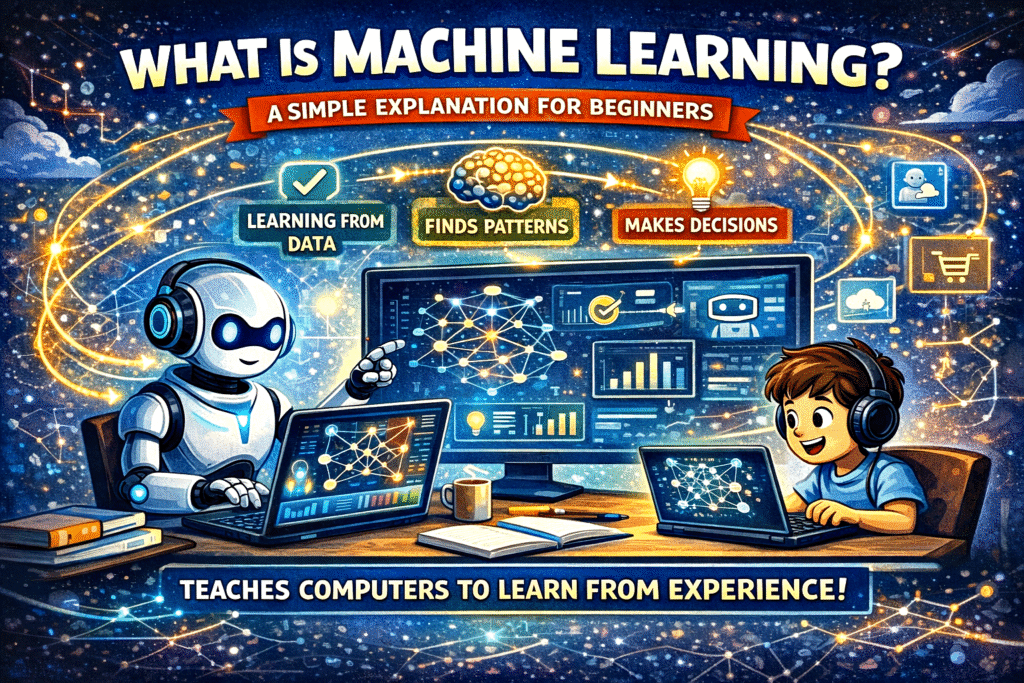
Machine Learning (ML) is a part of artificial intelligence that allows computers to learn from data and improve their performance without being directly programmed for every task. Instead of following fixed instructions, ML systems analyze patterns in data, make decisions, and get better over time with more experience. For example, when a shopping app suggests products or a phone recognizes your face, it is using machine learning. In simple terms, machine learning teaches computers to learn from experience, just like humans do.
Machine Learning (ML), a part of Artificial Intelligence (AI), is changing the way we live, work, and interact with technology. In 2026, ML is no longer something used only by scientists or big tech companies—it has become a part of our everyday lives.
From the apps we use to the services we rely on, machine learning is working quietly in the background to make things faster, smarter, and more personalised. Let’s explore how machine learning is transforming everyday applications in five simple points.
1. Personalised Experiences in Apps and Services
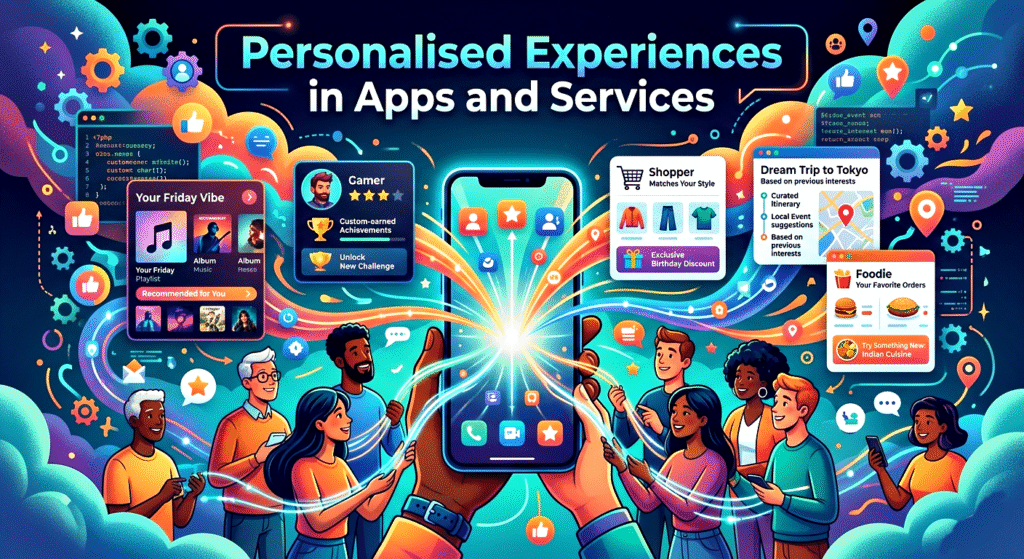
One of the biggest ways machine learning is impacting our lives is through personalisation. Today, most apps and platforms use ML to understand user behaviour and provide customised experiences.
For example:
- Streaming platforms suggest movies and shows based on what you watch
- Online shopping apps recommend products based on your preferences
- Social media feeds show content you are most likely to engage with
Machine learning analyses your past actions—such as clicks, searches, and likes—to predict what you might want next. This makes apps more useful and enjoyable.
In 2026, personalisation has become even more advanced. Apps can now:
- Predict your needs before you search
- Suggest solutions based on your habits
- Adapt their interface to suit your preferences
This saves time and improves user experience. Instead of searching for everything manually, the system already knows what you might like.
2. Smarter Healthcare and Medical Support
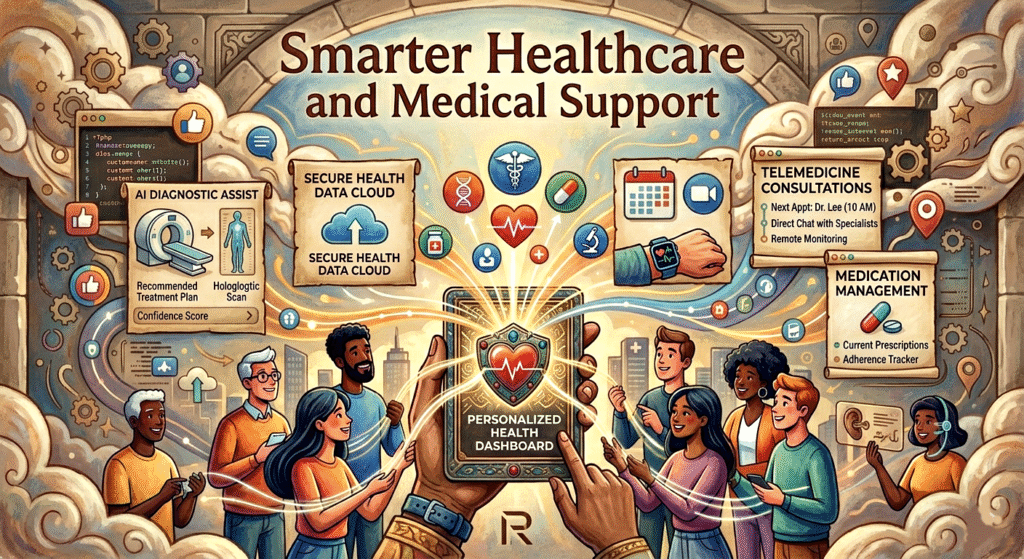
Machine learning is playing a major role in improving healthcare services. It helps doctors, hospitals, and patients make better decisions.
In everyday life, ML is used in:
- Health apps that track your fitness and suggest improvements
- Wearable devices that monitor heart rate, sleep, and activity
- Early disease detection systems
For example, ML can analyse medical data and identify patterns that humans might miss. This helps in detecting diseases like diabetes, heart problems, or even cancer at an early stage.
In 2026, healthcare has become more proactive. Instead of treating diseases after they occur, ML helps in preventing them by giving early warnings.
Patients can also receive personalised health advice based on their lifestyle and medical history. This makes healthcare more efficient and accessible.
3. Improved Security and Fraud Detection

Security is another area where machine learning is making a big difference. With increasing online activities, protecting data and transactions has become very important.
Machine learning helps by:
- Detecting unusual behaviour in bank transactions
- Identifying fake accounts or spam messages
- Preventing cyberattacks
For example, if someone tries to access your bank account from a new location, ML systems can detect this unusual activity and block the transaction or ask for extra verification.
In 2026, security systems are smarter and faster. They can:
- Detect threats in real time
- Learn from past attacks
- Automatically respond to risks
This reduces the chances of fraud and keeps users safe.
Machine learning is also used in facial recognition and biometric systems, making authentication more secure and convenient.
4. Automation in Daily Tasks
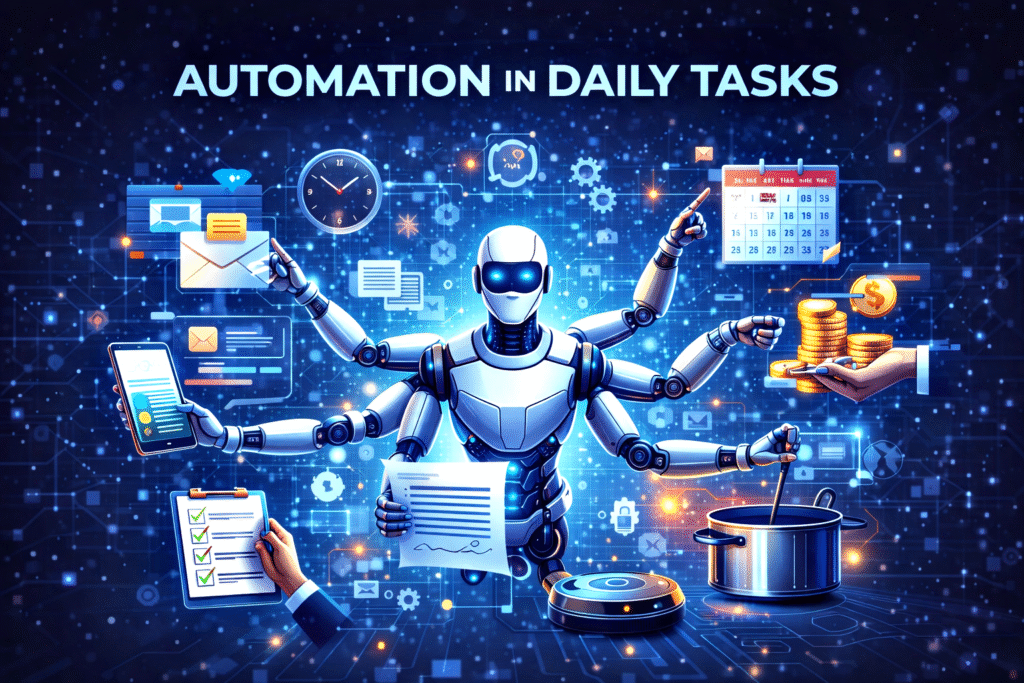
Machine learning is helping automate many daily tasks, making life easier and more efficient.
Some common examples include:
- Voice assistants that help you set reminders, search information, or control devices
- Smart home systems that adjust lighting, temperature, and security
- Email systems that filter spam and organise messages
In 2026, automation has become more intelligent. Systems can now understand context and perform tasks with minimal input.
For example:
- Your phone can suggest replies to messages
- Your calendar can automatically schedule meetings
- Your smart home can learn your routine and adjust settings accordingly
This reduces manual effort and saves time. People can focus on more important tasks while machines handle routine work.
5. Transformation of Transportation and Smart Cities
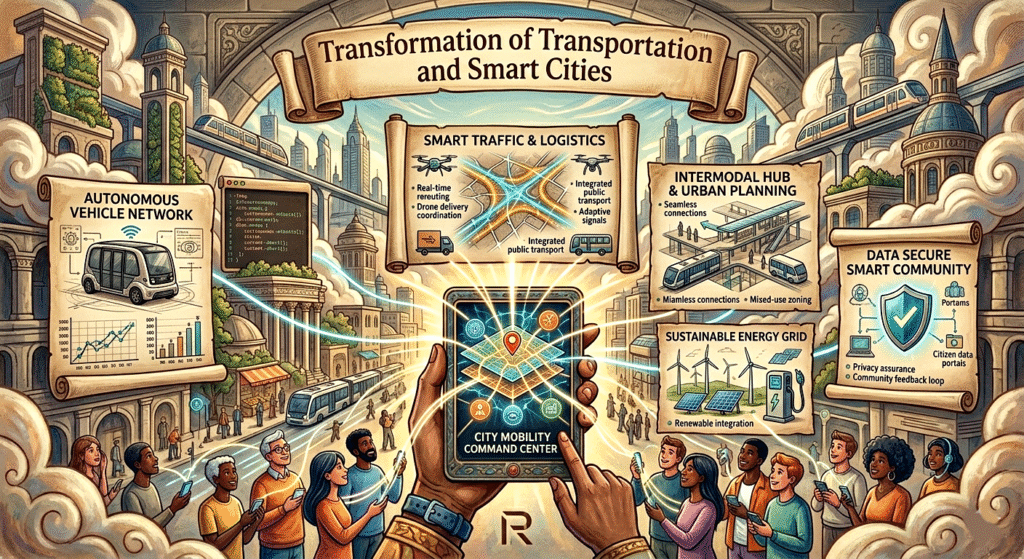
Machine learning is also transforming how we travel and how cities operate.
In transportation, ML is used in:
- Navigation apps that suggest the fastest routes
- Ride-sharing services that match drivers and passengers
- Traffic management systems
These systems analyse real-time data to reduce traffic congestion and improve travel efficiency.
In 2026, smart cities are becoming more common. Machine learning helps manage:
- Traffic signals
- Energy usage
- Waste management
- Public safety
For example, traffic lights can automatically adjust based on traffic flow, reducing waiting time. Similarly, energy systems can optimise power usage to save resources.
Self-driving vehicles are also improving with the help of machine learning. Although still developing, they are becoming safer and more reliable.
Conclusion
Machine learning is transforming everyday applications in ways we often don’t even notice. From personalised recommendations and healthcare improvements to better security and automation, ML is making our lives more convenient and efficient.
In 2026, machine learning is not just a technology—it is a part of daily life. It helps us make better decisions, saves time, and improves overall experiences.
As machine learning continues to evolve, its impact will only grow. Understanding how it works and how it is used can help us take full advantage of its benefits.
👉 In simple words: Machine learning is making the world smarter, faster, and more connected.