

What Happens to Your Personal Data When You Browse the Internet?
Have you ever wondered how websites know your interests, why advertisements appear related to things you recently searched for, or how social media platforms seem to understand your preferences?
The answer lies in something called your Digital Footprint.
Every time you browse the internet, use social media, shop online, watch videos or install an application, you leave behind digital information. Some of this information is shared intentionally, while other information is collected automatically without you even noticing.
Over time, these small pieces of information can create a surprisingly detailed picture of your online activities, interests and behaviour.
Let’s understand what a digital footprint is, how it is created and what the internet might know about you.
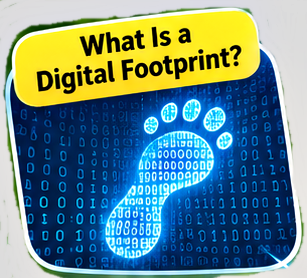
1. What Is a Digital Footprint?
- A digital footprint is the trail of information you leave behind while using the internet and digital devices.
- Every online activity can generate some form of digital information.
- For example, searching on Google, liking a Facebook post, commenting on Instagram or purchasing something online can create digital records.
- Websites and applications may store information about your activities, preferences and interactions.
- Some information is deliberately shared by you, while other information is collected automatically.
Think of it like footprints left behind when you walk on a beach. Similarly, whenever you move through the digital world, you leave traces of your activities.
Key Point: Your digital footprint is the collection of information and records generated by your online activities.
2. Two Types of Digital Footprints
Digital footprints are generally divided into two main categories.
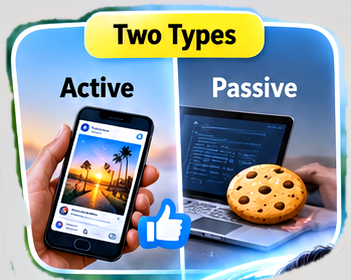
A. Active Digital Footprint
- This includes information you intentionally share online.
- Posting photographs on Instagram or Facebook.
- Writing comments on YouTube videos.
- Uploading videos, blogs or personal information.
- Filling out online forms and subscribing to newsletters.
- Reviewing products and participating in online discussions.
B. Passive Digital Footprint
- This includes information collected about your online activities without you deliberately submitting it.
- Websites may record your browsing activities.
- Applications may collect device information and usage statistics.
- Websites may use cookies and similar technologies to remember your preferences.
- Advertising systems may collect information about your interactions with advertisements.
Key Point: Active footprints are created through information you intentionally share, while passive footprints are generated through information collected during your online activities.
3. What Personal Information Can the Internet Know About You?

Your digital footprint can reveal much more than you might imagine.
Depending on the services you use and the permissions you grant, companies may collect or infer information such as:
- Your identity: Name, email address, phone number and other details you provide.
- Your location: Approximate location from your IP address or more precise location when location permissions are granted.
- Your interests: Favourite subjects, hobbies, entertainment preferences and frequently visited websites.
- Your shopping habits: Products you search for, purchase or add to shopping carts.
- Your online behaviour: Websites you visit, videos you watch and advertisements you interact with.
- Your device information: Device model, operating system, browser type and other technical details.
This information can help companies understand your behaviour and provide personalised services.
Key Point: Your digital footprint can reveal your identity, interests, shopping habits, location patterns and online behaviour.
4. How Do Websites Track Your Online Activities?
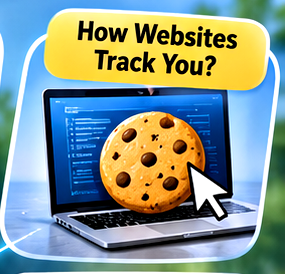
Have you ever searched for a product on one website and then noticed advertisements for the same product on another website?
This happens because of different online tracking technologies.
- Cookies: Small pieces of data stored by websites in your browser to remember information about your visits and preferences.
- Tracking pixels: Tiny tracking elements that can help measure whether a webpage, advertisement or email has been viewed.
- Browser fingerprinting: A technique that combines characteristics of your browser and device to help identify or distinguish your browser.
- Advertising IDs: Mobile advertising identifiers can help advertising systems recognise a device or app environment for advertising purposes.
- Analytics tools: These help website owners understand visitor behaviour, such as popular pages and time spent on a website.
Not all tracking is harmful. Many technologies are used for website performance, security and improving user experience. However, extensive tracking can raise privacy concerns.
Key Point: Websites use cookies, tracking pixels, analytics and other technologies to understand how people interact with online services.
5. How Social Media Platforms Build Your Digital Profile

Social media platforms can collect considerable information about your online behaviour.
- They may record which posts you like, share or comment on.
- They can analyse the videos you watch and how long you watch them.
- Your searches, followed accounts and interactions can reveal your interests.
- Your profile information and publicly shared photographs may provide additional details.
- Recommendation algorithms use various signals to decide which posts and videos to show you.
For example, if you regularly watch videos about smartphones, the platform may start recommending more technology-related content.
Over time, these signals can help platforms develop a profile of your interests and preferences.
Key Point: Social media platforms use your interactions and viewing behaviour to personalise content, recommendations and advertisements.
6. Can Advertisers Understand Your Personality Through Your Digital Footprint?
- Advertisers use collected information and inferred interests to identify audiences who may be interested in particular products.
- Your searches, browsing patterns and shopping activities can help create an advertising profile.
- For example, frequently searching for fitness equipment may indicate an interest in exercise and fitness.
- Someone regularly browsing travel websites may receive advertisements related to hotels, flights and holiday destinations.
- Advertising systems can also use demographic information and broader audience categories where available.
However, these profiles are not necessarily accurate descriptions of your real personality. They are predictions based on available information and patterns.
Key Point: Advertisers can use your digital behaviour to predict interests and show advertisements that are more relevant to you.
7. Can Your Digital Footprint Affect Your Personal and Professional Life?
Online Reputation Checker: Clean Up Your Digital Footprint | DFC
Your online activities can sometimes influence how other people perceive you.
- Employment opportunities: Some employers review publicly available online profiles during recruitment.
- Professional reputation: Inappropriate public posts or offensive comments can damage your professional image.
- Personal relationships: Photographs, comments and online discussions can affect how people perceive you.
- Business opportunities: A positive online presence can help build trust and credibility.
- Academic reputation: Public online behaviour may sometimes influence educational or professional opportunities.
Remember that deleting a post does not guarantee that every copy disappears. Someone may have taken a screenshot or shared it elsewhere.
Key Point: Your online activities can have consequences beyond the internet and may affect your personal reputation and professional opportunities.
8. What Are the Risks of Having a Large Digital Footprint?
A digital footprint is not necessarily dangerous, but excessive exposure of personal information can create security and privacy risks.
Some major risks include:
- Identity theft: Criminals may misuse personal information to impersonate you.
- Phishing attacks: Information about your interests or activities may help attackers create convincing fraudulent messages.
- Privacy invasion: Excessive sharing can reveal personal details that you would prefer to keep private.
- Online harassment: Publicly available photographs and personal information may be misused.
- Financial fraud: Exposed personal details can sometimes help criminals target individuals with scams.
- Data breaches: Information stored by online services may be exposed if their systems are compromised.
Key Point: The more personal information you expose online, the greater the opportunity for it to be misused if it falls into the wrong hands.
9. Can You Completely Erase Your Digital Footprint?
- Completely erasing your digital footprint is extremely difficult.
- You can delete old social media posts, photographs and unused online accounts.
- You can request deletion of personal information from certain websites and services.
- However, information may remain in backups, archives, screenshots or copies shared by other people.
- Search engines may also continue displaying outdated information until their indexes are refreshed.
- Some companies may retain certain records for legitimate legal, security or operational reasons.
Therefore, it is better to manage your digital footprint rather than assume that everything can be erased later.
Key Point: You can reduce your digital footprint, but completely removing every trace of your online activities is rarely possible.
10. How Can You Protect and Manage Your Digital Footprint?
Protecting your data – Statistics Canada
You cannot avoid creating a digital footprint completely, but you can control how much information you share.
Here are some practical steps:
- Think before posting: Avoid sharing sensitive personal information, private photographs or confidential details publicly.
- Review privacy settings: Check who can see your social media posts, photographs and profile information.
- Check application permissions: Allow camera, microphone, contacts and location access only when necessary.
- Use strong passwords: Create unique passwords for important online accounts and enable two-factor authentication.
- Clear unnecessary cookies: Regularly review and remove unwanted browser cookies and website data.
- Avoid suspicious websites: Do not enter personal or financial information on untrusted websites.
- Delete unused accounts: Close online accounts that you no longer need.
- Use secure connections: Avoid accessing sensitive accounts through untrusted public Wi-Fi networks.
- Review your online presence: Search your name occasionally to understand what information is publicly available.
- Limit unnecessary data sharing: Avoid giving applications and websites information that is not required for their services.
Key Point: Good privacy habits, careful sharing and regular security checks can significantly reduce your digital exposure.
11. Is Your Digital Footprint Always a Bad Thing?
Not at all! A digital footprint can also provide several benefits.
- Personalisation: Websites can recommend products, videos and services based on your interests.
- Convenience: Websites remember your preferences and login information.
- Professional growth: A positive online presence can help you build a professional reputation.
- Better services: Usage information can help companies improve their websites and applications.
- Online identity: Your blogs, articles, educational content and professional achievements can help establish your digital identity.
For example, publishing useful technical articles can create a positive digital footprint that demonstrates your knowledge and expertise.
Key Point: A digital footprint is not something you must eliminate; it is something you should manage responsibly.
Conclusion
Every time you use the internet, you leave behind digital traces. Your searches, social media interactions, online purchases, website visits and application usage can collectively create a detailed picture of your digital activities.
While this information helps companies improve services and personalise user experiences, it can also create privacy and security concerns.
The important thing is to understand that your online activities can leave a lasting record, even when you are not consciously sharing personal information.
So, before posting something, installing an application or sharing personal details online, remember one simple rule:
Think Before You Click, Because Your Digital Footprint May Last Longer Than You Think!