
“Learn Technology the Easy Way: Simplifying Complex Concepts for Beginners”
Technology often feels overwhelming, especially when it is explained using jargon, complex diagrams, and assumptions that everyone already understands the basics. However, the goal of “Tech Simplified” is to make technology accessible, relatable, and useful for everyday learners—people who may not have a technical background but still want to understand the digital world around them.
Below are seven detailed points that explain how complex technological concepts can be broken down into simple, practical understanding.
1. Start with the “Why” Before the “How”
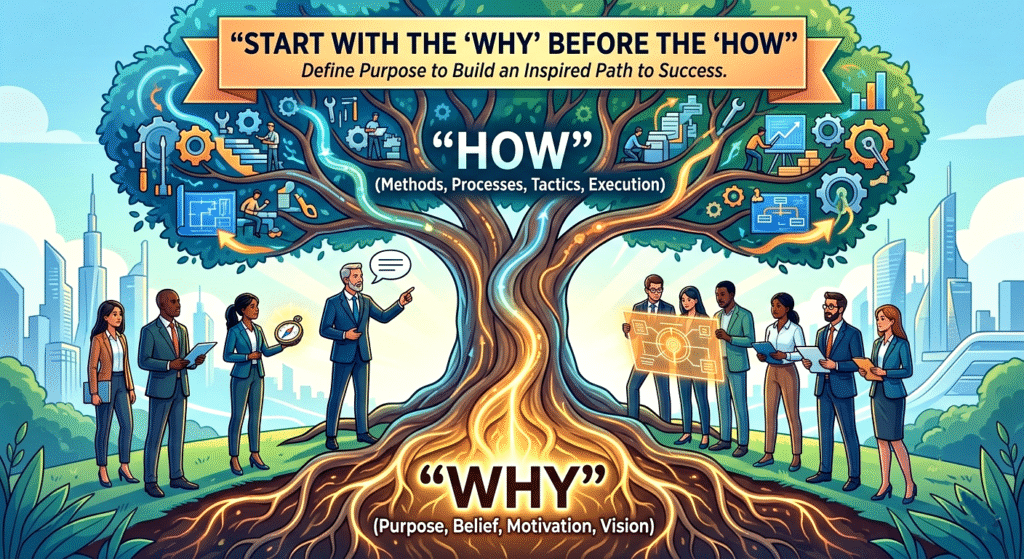
One of the biggest mistakes in teaching technology is jumping straight into how something works without explaining why it exists. For everyday learners, understanding the purpose of a technology makes it easier to grasp how it works.
For example, instead of explaining how cloud computing works using technical architecture, start by answering a simple question: Why do we need cloud computing? The answer might be that it allows people to store and access data from anywhere without relying on a single device.
Once learners understand the “why,” they become naturally curious about the “how.” This approach builds a strong foundation and makes even complicated systems feel logical rather than intimidating.
2. Use Real-Life Analogies
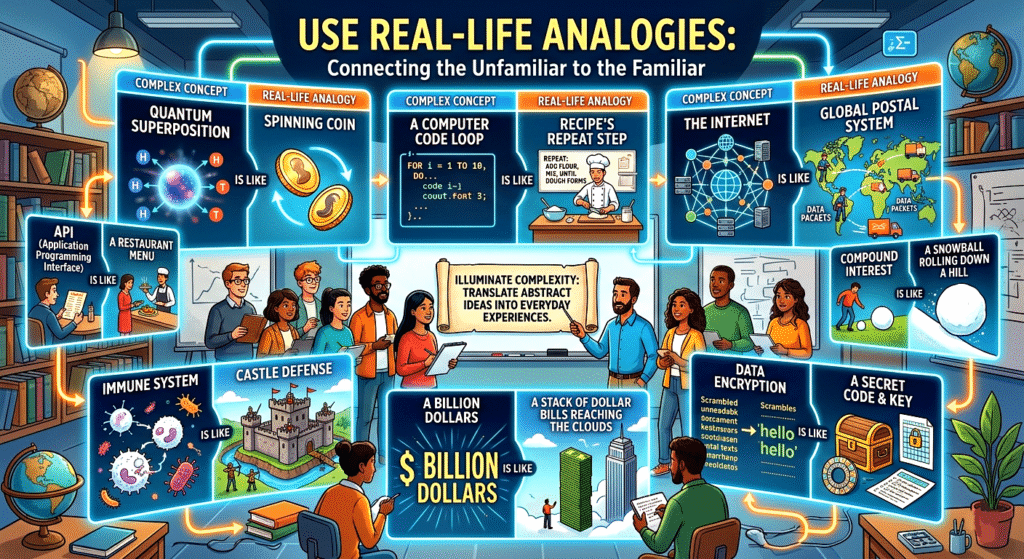
Analogies are powerful tools for simplifying complex ideas. When a technical concept is compared to something familiar, it becomes easier to visualise and understand.
For instance:
- A computer’s CPU can be compared to the human brain.
- RAM can be explained as short-term memory.
- The internet can be described as a global network of roads connecting different cities (websites).
These comparisons don’t have to be perfect—they just need to create a mental bridge between the unknown and the known. This method is especially effective for beginners who may otherwise feel lost in technical definitions.
3. Break Concepts into Small, Manageable Pieces
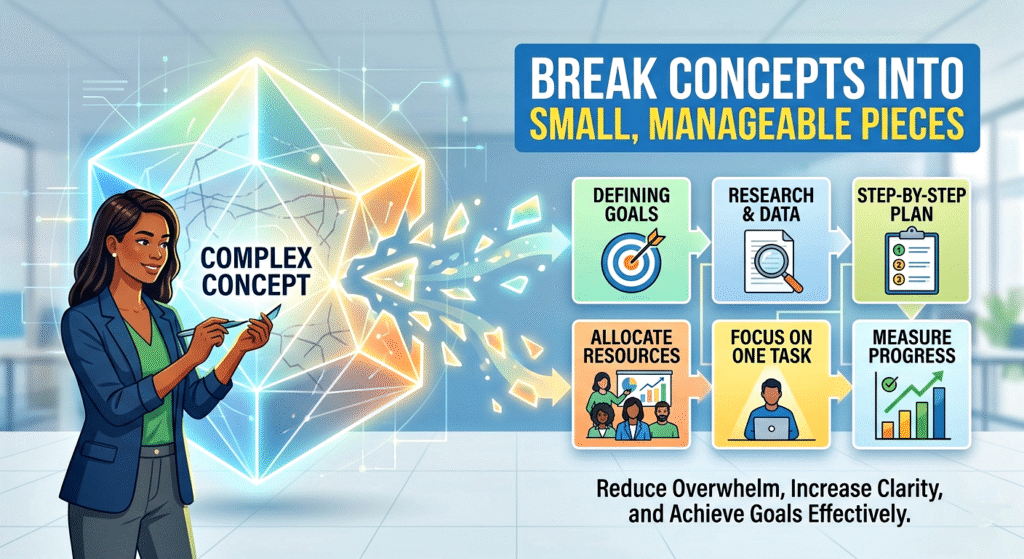
Complex technologies are often made up of multiple smaller components. Trying to understand everything at once can overwhelm learners. Instead, breaking topics into smaller chunks makes learning more digestible.
For example, instead of teaching “Artificial Intelligence” as a whole, divide it into:
- What is AI?
- Types of AI
- Machine learning basics
- Real-life applications
Each piece builds upon the previous one. This step-by-step learning process creates clarity and reduces confusion. It also helps learners feel a sense of progress, which keeps them motivated.
4. Avoid Jargon or Explain It Clearly
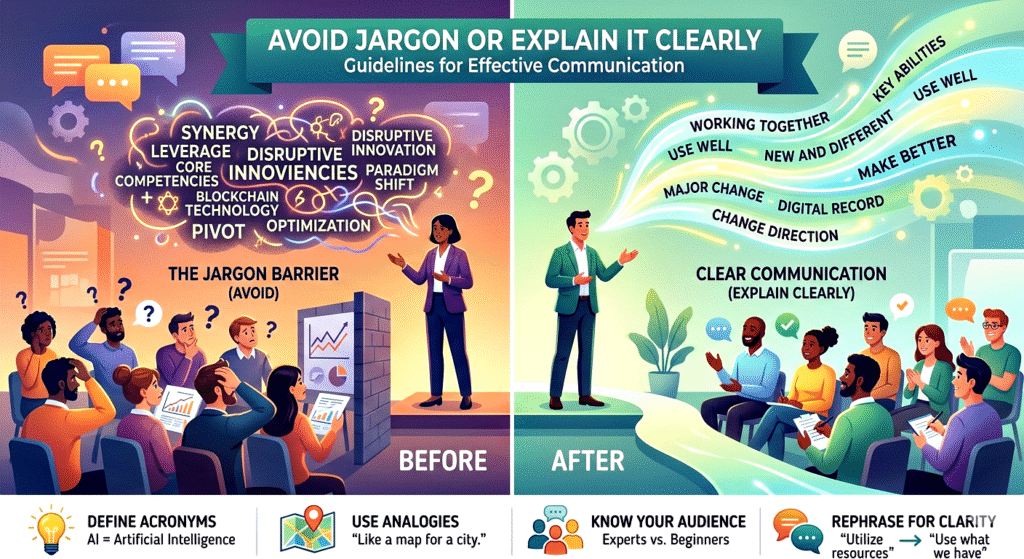
Technical language is one of the biggest barriers for beginners. Terms like “API,” “blockchain,” or “encryption” can quickly discourage learners if not explained properly.
The key is not to eliminate technical terms, but to introduce them gradually and explain them in simple language.
For example:
- Instead of just saying “API,” explain it as a messenger that allows different software applications to talk to each other.
- Instead of “encryption,” describe it as a way of locking information so only the right person can read it.
Clear explanations reduce fear and build confidence. Over time, learners become comfortable with technical vocabulary.
5. Focus on Practical Applications
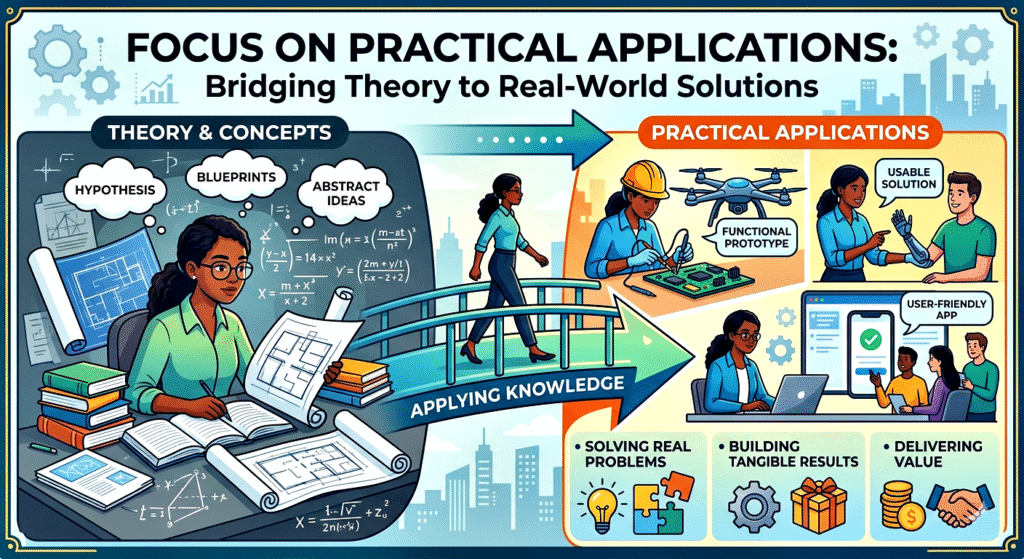
People are more interested in learning something when they understand how it affects their daily lives. Connecting technology to real-world use makes it meaningful and engaging.
For instance:
- Explain how data science helps recommend movies on streaming platforms.
- Show how cybersecurity protects online banking.
- Describe how automation simplifies repetitive tasks like scheduling emails.
When learners see how technology impacts what they already use—smartphones, apps, social media—they begin to appreciate its value. This relevance encourages deeper learning.
6. Encourage Hands-On Learning

Reading or listening alone is not enough to fully understand technical concepts. Practical experience plays a crucial role in learning.
Encourage learners to:
- Try simple coding exercises
- Explore software tools
- Experiment with settings on their devices
- Build small projects
For example, instead of just explaining how websites work, guide learners to create a simple webpage using basic HTML. This hands-on approach transforms abstract ideas into tangible experiences.
Learning by doing not only improves understanding but also builds confidence. It shows learners that technology is not just something to observe—it’s something they can actively use and create.
7. Build Confidence Through Simplicity and Patience
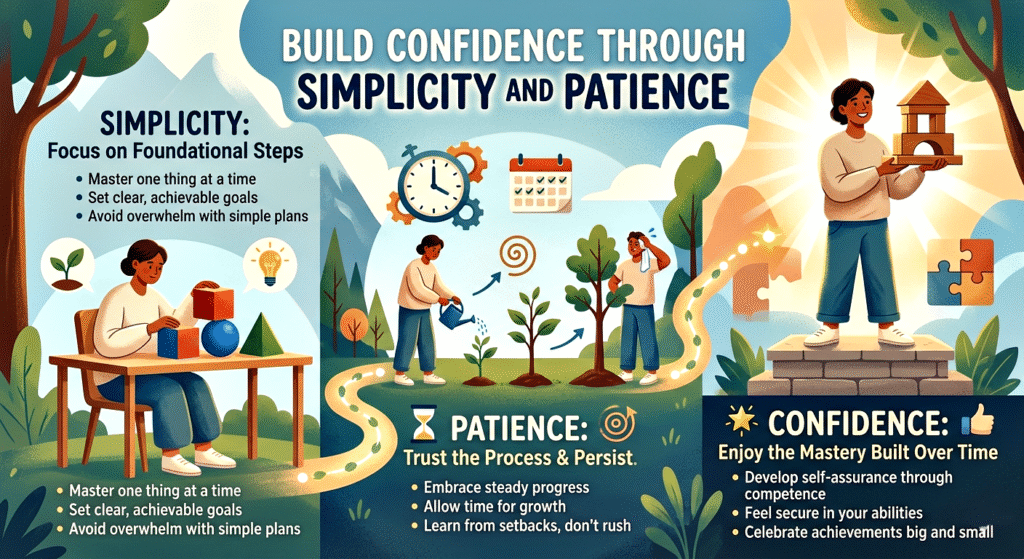
Many people believe that technology is only for experts, which creates a mental barrier before learning even begins. “Tech Simplified” aims to break this myth by emphasising that anyone can learn technology with the right approach.
Confidence grows when:
- Concepts are explained clearly
- Mistakes are treated as part of learning
- Progress is acknowledged, even if it’s small
Patience is key. Learning technology is a journey, not a race. By focusing on simplicity and encouraging curiosity, learners gradually move from basic understanding to more advanced knowledge.
Conclusion
“Tech Simplified: Breaking Down Complex Concepts for Everyday Learners” is not just about teaching technology—it’s about changing how people perceive it by starting with the “why,” using relatable analogies, breaking topics into smaller parts, minimising jargon, focusing on real-world applications, encouraging hands-on practice, and building confidence, even the most complex ideas can become approachable.
In today’s digital world, understanding technology is no longer optional—it is essential. However, it doesn’t have to be difficult. When explained in the right way, technology becomes less of a mystery and more of a tool that empowers individuals in their everyday lives.
Ultimately, the goal is simple: to make technology feel less like a complicated subject and more like a natural part of learning and growth.